The Benefits of Using Wooden Pallets in Your Warehouse
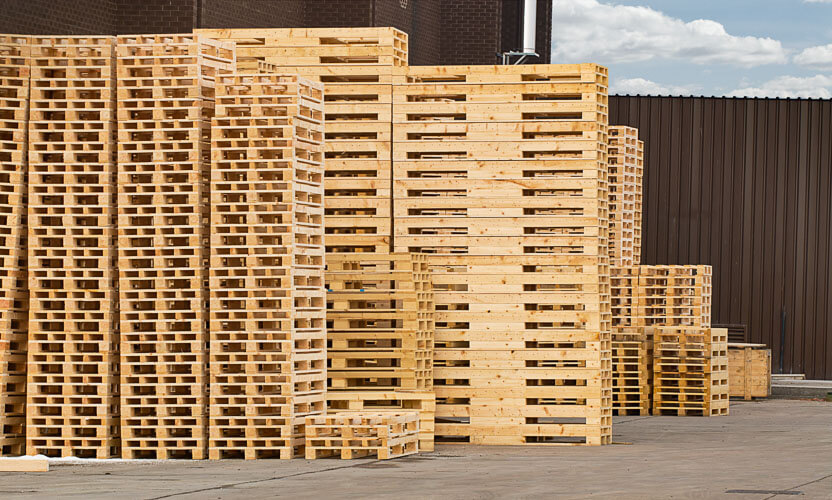
In today’s fast-paced warehousing industry, efficiency and sustainability are paramount. Selecting the right materials for storage and transportation can significantly impact operational efficiency, cost-effectiveness, and environmental responsibility. Among various options, wooden pallets stand out as a versatile and environmentally friendly choice. Their adaptability and durability make them a preferred option for many businesses seeking to optimize their logistical processes while maintaining a commitment to sustainability.
Durability and Strength
One of the primary benefits of using wooden pallets in a warehouse is their durability. Contrary to common perceptions, wooden pallets can handle heavy loads and withstand significant wear and tear, making them ideal for the rigorous demands of warehouse operations.
- Load-Bearing Capacity: Wooden pallets have a high load-bearing capacity, which ensures that even the heaviest goods can be transported safely.
- Resistance to Damage: They offer resistance to damage during handling and transportation, reducing the risk of product loss.
- Material Longevity: With proper care, wooden pallets can have a long service life, providing excellent value over time.
Cost-Effectiveness
Wooden pallets are often more cost-effective compared to their plastic or metal counterparts. This affordability does not come at the expense of quality or performance, making them an economical choice for businesses.
- Initial Investment: The initial cost of wooden pallets is typically lower, providing an affordable entry point for businesses of all sizes.
- Repairability: Unlike plastic pallets, wooden pallets can be easily repaired if damaged, extending their usefulness and reducing replacement costs.
- Reusability: Their reusability further enhances their cost-effectiveness, as they can be cycled back into operations multiple times.
Environmental Benefits
In an era where sustainability is increasingly important, wooden pallets offer several environmental advantages:
- Renewable Resource: Wood is a renewable resource, and responsible sourcing practices ensure that the ecological impact is minimized.
- Recyclability: At the end of their life cycle, wooden pallets can be recycled into wood chips or other products, reducing landfill waste.
- Carbon Footprint: The production and disposal of wooden pallets generally result in a lower carbon footprint compared to plastic alternatives.
Versatility and Adaptability
Wooden pallets are not only robust and cost-effective but also extremely versatile, adapting to various warehouse needs:
- Customizable Designs: They can be customized to meet specific requirements, such as size adjustments or added features for particular types of goods.
- Compatibility: Wooden pallets are compatible with most handling equipment and storage systems, ensuring seamless integration into existing operations.
- Adaptation to Diverse Environments: They perform well in a range of environments, from dry storage to refrigerated warehouses.
Conclusion
The benefits of using wooden pallets in a warehouse setting are manifold, encompassing durability, cost-effectiveness, environmental responsibility, and adaptability. As businesses continue to seek efficient and sustainable solutions, wooden pallets remain a compelling choice. Whether the goal is to reduce costs, enhance operational efficiency, or minimize environmental impact, wooden pallets offer a reliable and versatile solution that aligns with modern warehousing demands.

Post Comment