Expert Tips for Successful Aggregate Pier Installation
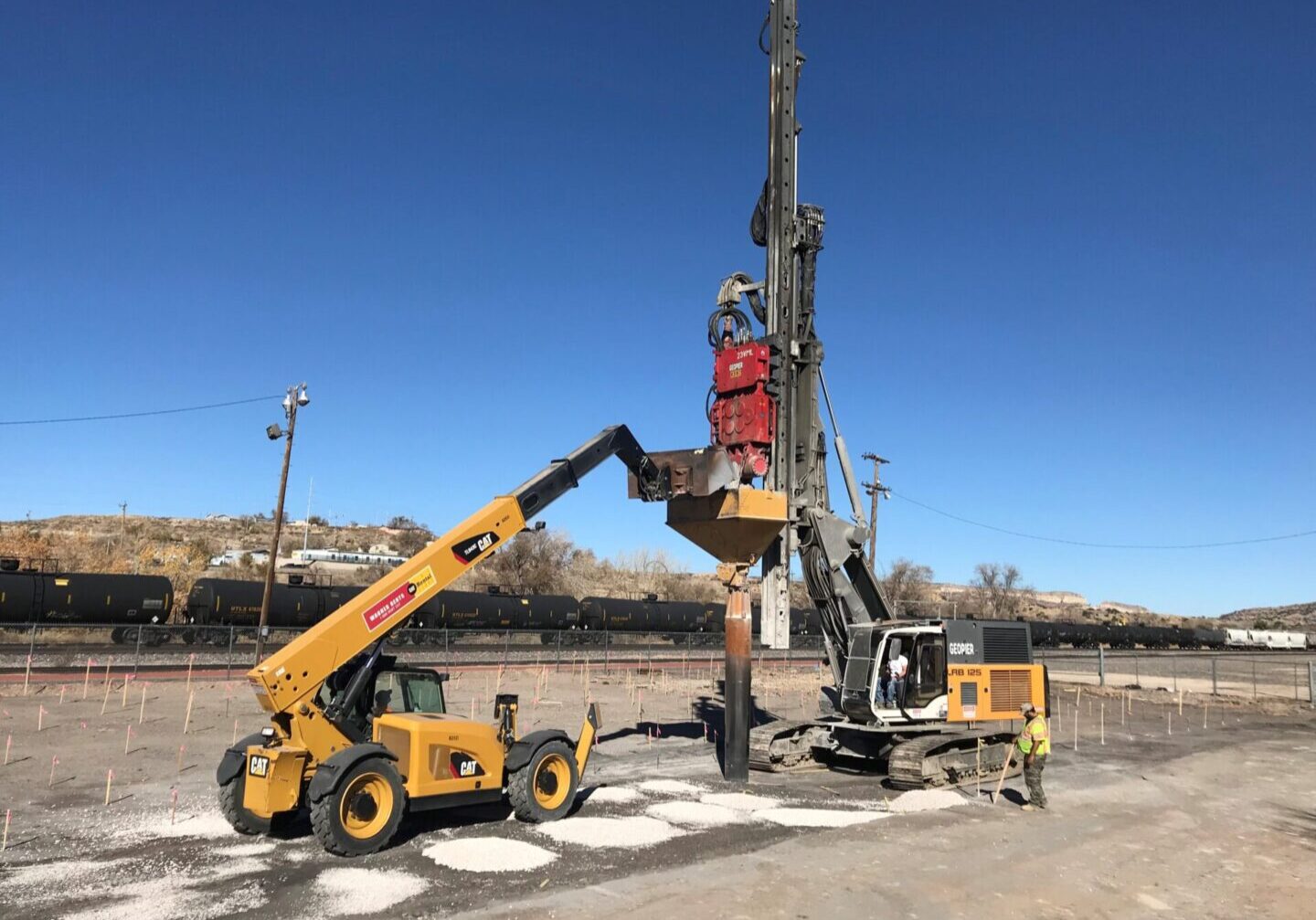
Aggregate pier installation is a critical process in construction that involves strengthening the ground to support various types of structures. This method, known for its efficiency and cost-effectiveness, is essential for ensuring the longevity and stability of buildings. Whether you’re a seasoned contractor or exploring this technique for the first time, understanding the nuances of the process can significantly impact the success of your project. This article offers expert tips to guide you through a successful aggregate pier installation, ensuring optimal results and long-lasting performance for your construction endeavors.
Understanding Aggregate Piers
Aggregate piers, also known as stone columns, are used to reinforce weak soil. They are constructed by drilling holes into the ground and filling them with compacted stone or aggregate materials. This method enhances the soil’s load-bearing capacity and reduces settlement issues.
Key Benefits of Aggregate Piers
- Improves ground stability and load-bearing capacity.
- Reduces the likelihood of settlement and related structural issues.
- Cost-effective compared to other ground improvement techniques.
- Environmentally friendly as it often uses locally sourced materials.
Preparation and Planning
Successful aggregate pier installation begins long before the equipment arrives on-site. Proper planning and preparation are crucial steps that lay the foundation for a smooth project execution.
Site Assessment
Conduct a thorough site assessment to understand soil conditions and identify potential challenges. This assessment informs the design and installation process, ensuring the selected approach is tailored to the site’s specific needs. Discover expert strategies here.
Design Considerations
- Determine the optimal spacing and depth of the piers based on the soil’s properties and the structure’s load requirements.
- Consider potential environmental impacts and plan mitigation measures accordingly.
- Ensure compliance with local building codes and regulations.
Installation Best Practices
Executing the installation with precision is essential for achieving the desired outcomes. Attention to detail and adherence to best practices are critical.
Equipment and Techniques
Utilize state-of-the-art equipment to ensure accuracy and efficiency in the installation process. The choice of equipment can affect the compaction and overall quality of the piers. Explore advanced guides and tips.
Quality Control
- Implement a robust quality control process to monitor the installation at each stage.
- Regularly check the compaction of the aggregate to ensure it meets the required standards.
- Document each phase of the installation for future reference and compliance checks.
Post-Installation Considerations
After completing the installation, there are several important considerations to ensure ongoing success and performance of the aggregate piers.
Monitoring and Maintenance
Regular monitoring of the site can help identify any issues early, allowing for timely interventions. Maintenance strategies should be established to address potential wear and tear over time. Find out more about this approach.
Customer Feedback
Feedback from previous projects can provide valuable insights into the effectiveness of the installation process and help improve future projects. See what others are saying about us.
In conclusion, successful aggregate pier installation requires careful planning, precise execution, and diligent post-installation management. By adhering to these expert tips and consistently striving for excellence, construction professionals can ensure durable and reliable outcomes for their projects.

Post Comment